October 1, 2026
A practical guide to homestead exemptions for Houston-area buyers after closing.
Houston's for-sale inventory has grown to 38,947 active single-family listings and a 5.3-month supply as of August, giving more buyers a real shot at closing on a home this year. Each of those new owners has one post-closing task that's easy to overlook: the seller's homestead exemption doesn't carry over, and filing for a new one on time is what determines whether next year's tax bill reflects the buyer's own ownership rather than the seller's exemption history. Why This Matters More in a Two-Tiered Market Houston's market is not moving uniformly. Luxury and certain close-in neighborhoods can behave very differently from the broader market, and some high-end properties may trade through private or off-market channels. Buyers should therefore avoid relying on a seller's current tax bill as a shortcut for future carrying costs, especially when comparing homes across very different submarkets.
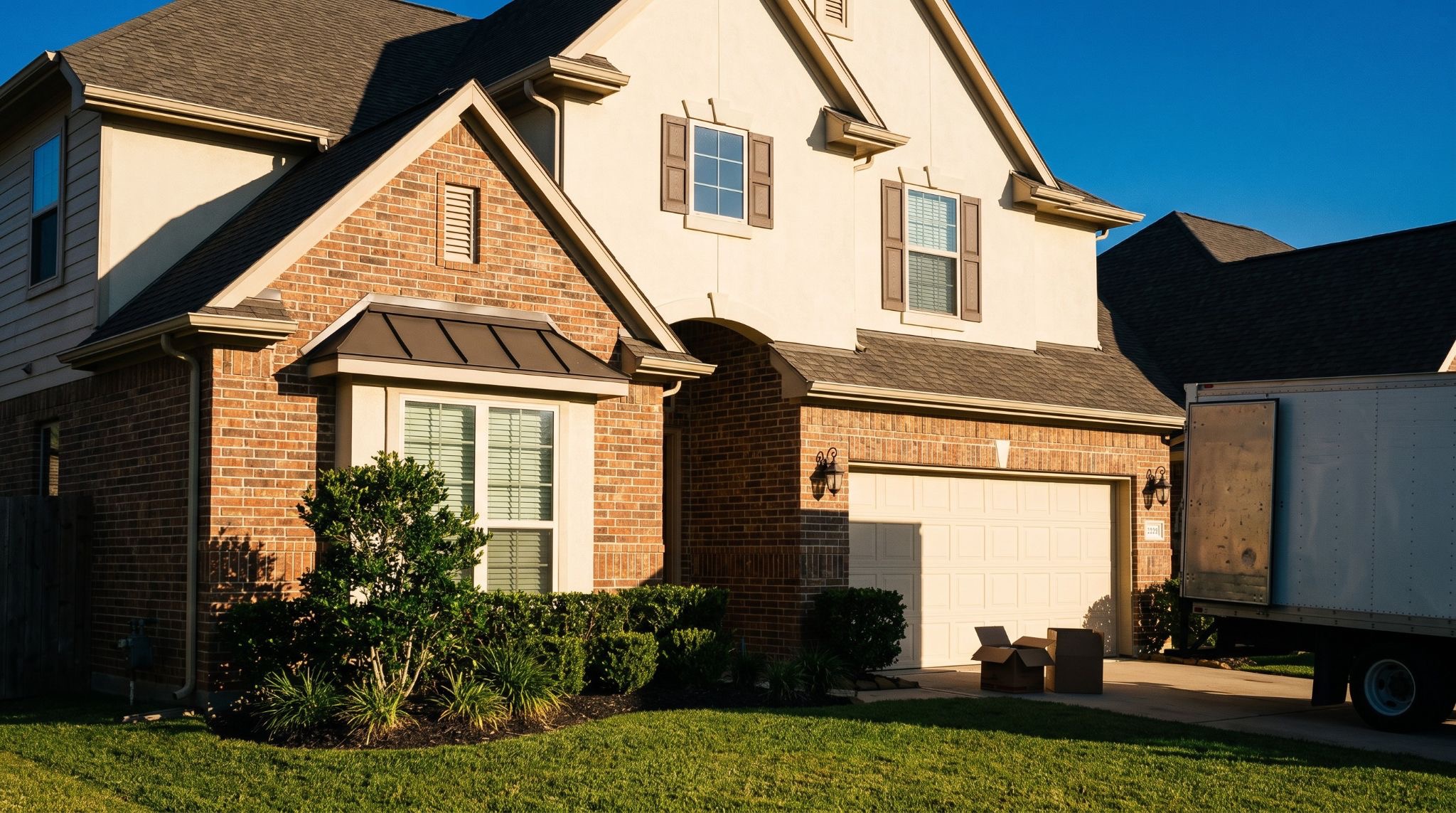
A homestead exemption can reduce the taxable value of an owner-occupied Texas home, but it does not transfer automatically from the seller to the buyer. New Houston homeowners should understand when to apply, what documents they may need, and how the exemption can affect future property tax bills.
What a Homestead Exemption Does
A residence homestead exemption reduces the portion of a home's value that is subject to certain property taxes. Texas law provides a general school-district homestead exemption, and some local taxing units may offer additional exemptions. The Texas Comptroller's property tax resources explain the statewide framework, while the local appraisal district handles the application. For Houston-area buyers, the relevant appraisal district depends on the property's county. Harris County properties are generally handled through the Harris Central Appraisal District, while buyers in surrounding counties should use the appraisal district serving that property.
Why the Seller's Tax Bill Can Be Misleading
A seller may have owned the property for years and benefited from a homestead exemption, appraisal caps, or other exemptions. Those benefits do not necessarily carry over to a new owner in the same way. That means the current tax bill shown during a home search may understate what the buyer will owe after ownership changes. Buyers should estimate taxes based on the property's current value, applicable tax rates, and the exemptions they expect to qualify for rather than assuming the seller's bill will remain unchanged.
When to Apply After Closing
Texas allows eligible homeowners to apply for a residence homestead exemption after they acquire and occupy the property as their principal residence. The appraisal district's current instructions should control the filing process and any documentation requirements. Applying promptly matters because the exemption affects the taxable value used for future bills. Buyers should keep their closing documents, identification, and property information organized so the application can be completed without unnecessary delay.
How the Exemption Affects Your Budget
A homestead exemption can reduce the taxable value used by certain taxing units, which can lower the annual tax burden compared with an otherwise identical non-exempt property. It can also interact with appraisal-growth limitations that apply to qualifying homesteads. The exact dollar impact varies by taxing jurisdiction. Houston-area homes may be subject to school district, county, city, municipal utility district, and other local taxes, so buyers should evaluate the complete tax stack rather than one rate in isolation.
A Simple Buyer Example
Suppose two similar homes have the same market value, but one owner qualifies for a residence homestead exemption and the other property is an investment property. Their taxable values and annual tax bills may differ even though the market values are similar. That difference is one reason buyers should review property taxes as part of the monthly housing budget before making an offer, not just after closing.
Frequently Asked Questions
Does a homestead exemption transfer from the seller to the buyer?
Can an investor claim the same homestead exemption?
Where do Houston homeowners apply?
Homeowners apply through the appraisal district serving the county where the property is located.
The Bottom Line
A homestead exemption is one of the first property-tax items a Houston homeowner should review after closing. The goal is to make sure the appraisal district has the correct ownership information and that any available exemption is claimed on time.
Related Reading
Texas Comptroller property tax exemptions
Harris Central Appraisal District
Houston Association of Realtors
NerdWallet homestead exemption guide

Ask a question, request a home valuation, or get an honest read on the current market. We are here when you are ready.